What to do with branches after pruning in the orchard and garden?
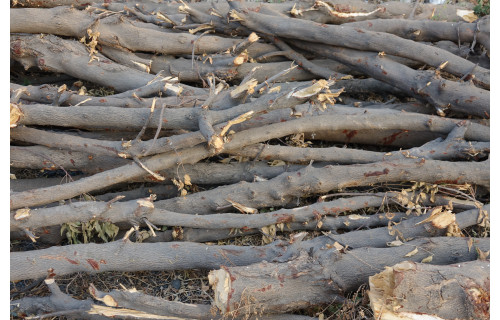
In late winter and early spring, the sound of pruning shears and even chainsaws can be heard in orchards, berry plantations, and gardens. No wonder: pruning is an essential procedure for lush growth, abundant flowering, and fruiting. However, nothing goes to waste in nature: after pruning trees and shrubs, a huge amount of branches remains. What should be done with them?
Under no circumstances should they be burned! Burning plant waste on private property may result in a fine ranging from PLN 500 to even PLN 5000!
While waste from a private garden can be cut into small pieces and thrown into a brown “bio” container, disposing of branches from a commercial orchard requires signing an individual agreement with a company authorized to collect green waste. STOP! Instead of treating branches as waste, it is better to put them to good use!
How to use branches for wood chip production?
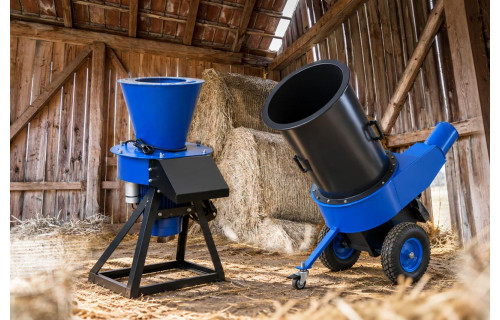
Cut branches are a valuable ecological raw material! Using a wood shredding machine, they can be processed into wood chips, a material useful in the garden, on the farm, and at home. They can be used in many ways, including mulching plants, producing organic fertilizer, fuel, and more.
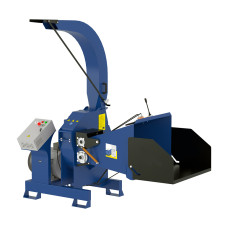
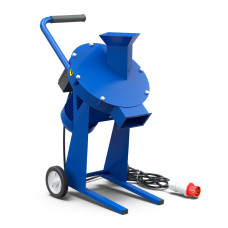
When deciding to chip branches, it is important to choose the right machine model adapted to the size of the wood waste. For example, the electric CR-60 shredder handles branches with a diameter of up to 6 cm. Thicker branches with a diameter of up to 10 cm require a more powerful machine, such as the CR-500 branch chipper. Thick, hard limbs and trunk fragments are a challenge that the CR-700 chipper with an electric engine, combustion engine or PTO drive can handle.
Mulching with wood chips
Wood chips are suitable for mulching plants in the garden, orchard, and berry plantation. A several-centimeter layer of chips is an alternative to popular pine bark and straw. As organic mulch, they slow down soil drying, reduce weed growth, and protect roots against extreme temperatures: summer heat and winter frost. At the same time, they provide an impressive background for the leaves and flowers of ornamental plants. Used in strawberry or vegetable cultivation, they prevent crops from getting dirty with soil. Over time, small pieces of wood gradually decompose, enriching the soil with humus and improving its structure. Note: when mulching plants with fresh chips, an additional dose of nitrogen fertilizer should be applied initially! It serves as “fuel” for beneficial bacteria and fungi decomposing wood, preventing microorganisms from taking this element away from plants.
The type of wood matters! Due to their acidic reaction, coniferous wood chips are best suited for mulching plants such as rhododendrons, hydrangeas, blueberries, and heather. Shredded deciduous wood has a reaction close to neutral, making it suitable for most garden and orchard crops. A combustion-engine or PTO-driven chipper allows wood chips to be produced directly on site from branches after orchard pruning, by then immediately spreading them around tree trunks and between rows.
Wood chips for paths and surfaces
Wood chips can be used for covering paths and other garden surfaces, as well as spaces between rows in orchards and berry plantations. They blend beautifully into gardens designed in a naturalistic or rustic style. They are also perfect for playgrounds – a layer of chips provides a soft landing after falling from ladders or swings.
As a surface material, thicker fractions of shredded wood pieces are especially useful, which can be obtained using branch chippers with adjustable chip size in the range of 5-50 mm.
Branch composting
Tree and shrub branches are excellent for composting, but they should first be shredded. Small pieces of wood decompose after just a few months, turning into organic fertilizer. Meanwhile, thick branches would take several years! Wood chips and sawdust are classified as so-called brown plant waste, rich in carbon. To obtain high-quality compost, they should be mixed with green waste rich in nitrogen, such as mowed grass and fruit and vegetable leftovers.
Growing mushrooms on wood chips
Deciduous wood chips are an excellent substrate for growing mushrooms saprotrophic by nature, adapted to decomposing wood and other organic matter. These include, for example, white and brown button mushrooms, various oyster mushroom species, oriental shiitake mushrooms, and the little-known wine cap mushroom. Coniferous wood chips are suitable only for certain mushroom species, including the yellowish varnished conk, known as reishi.
Wood chips as bedding for animals
Wood chips are a suitable bedding material for various animal species, such as horses, cattle, goats, poultry, and pigeons. Shredded branches demonstrate high absorbency and the ability to neutralize odors. Over time, this type of bedding wears out, but it certainly does not lose its usefulness! Small pieces of wood mixed with animal manure become an extremely valuable fertilizer for gardens, as well as agricultural and orchard crops.
Smoking wood chips straight from the orchard
Shredded fruit wood is appreciated by connoisseurs as fuel for smokers, just like chips produced from other deciduous trees, such as maple, beech, oak, or alder. Smoking wood chips are usually intentionally moistened to obtain more smoke, which gives dishes a unique aroma. On the other hand, dry wood pieces make excellent kindling for a grill, bonfire, or fireplace.
Fuel wood chips from branches
Carefully dried wood chips can be used as fuel for a central heating furnace. They are classified as renewable fuels and constitute an ecological alternative to coal or natural gas. Efficient combustion of wood chips requires the use of a furnace with a feeder adapted to plant materials of varying sizes. Not every pellet stove is suitable for burning wood chips. Fortunately, this type of ecological fuel can also be easily produced independently from various plant waste using a pellet machine or granulator.