
Granulated Manure. Manure Pelleting. Advantages of Using Granulated Manure
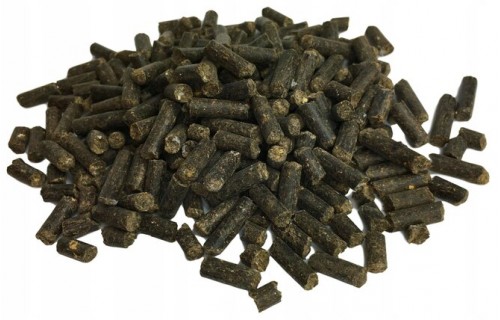
Manure is a high-value organic fertilizer providing essential nutrients such as nitrogen (N), potassium (K), and phosphorus (P), which are necessary for proper plant growth. It is produced from a mixture of livestock excrement and bedding. It also supplies plants with other nutrients necessary for development, such as calcium, sodium, magnesium, sulfur, manganese, boron, and zinc.
Due to its organic matter content, it also has a very positive effect on improving soil structure. During the transformation of organic matter, humus is formed in the soil and beneficial soil bacterial microflora develops. Improving the humus level also increases the soil’s water retention capacity.
Types of manure by origin:
- cattle manure
- poultry manure
- horse manure
- pig manure
- sheep manure
- pigeon manure and many others.
There is also artificial manure, produced in the process of composting chopped straw
with slurry, liquid manure with the addition of mineral fertilizers (e.g. N, P, CA), and with the addition of special preparations. Artificial manure does not differ in fertilizing value from natural manure.
Types of manure by form
We can distinguish several basic forms of manure:
- natural manure (fresh/raw) – coming directly from animals (consisting of bedding, feces
and animal urine). It contains toxic ammonia and is highly concentrated. It may also contain seeds, e.g. weeds, various disease-causing pathogens, or parasites. It also has an intense unpleasant odor.
- composted manure – natural manure stored in designated storage areas in which beneficial fermentation processes occur (e.g. manure slab)
- dried manure – this is composted manure in which the water content in the mass has been reduced. It does not have an unpleasant odor.
- granulated manure (fertilizer pellet) – the optimal form of manure. The manure is subjected to a technological process, the final product of which is a fertilizer pellet in the form of granulated manure. This is the optimal form of organic fertilizer both in terms of physico-chemical parameters, microbiological stability, as well as comfort of fertilizer application
in large-scale farms, small and medium-sized agricultural farms, as well as
in home amateur cultivation.
During the technological process of producing granulated manure, the input product is composted manure with appropriate moisture content.
The first stage is grinding the composted manure to the appropriate fraction, using, for example, hammer mills by TechnoMaszBud KRAFT or MB series. Then the ground mass is subjected to drying at a relatively high temperature, e.g. in an aerodynamic dryer of the SA series. During drying, under the influence of high temperature, weed seeds, disease-causing pathogens, or parasites that remained after the composting process are eliminated. Next, the ground and dried manure is formed using a TechnoMaszBud granulator/pellet mill included in the pellet production line, e.g. from the LDG family. The manure formed in this way in the form of fertilizer pellets can be calibrated and cooled using a belt conveyor PT-500 and packaged according to market needs (e.g. 5, 10 or 15 kg bags or BIG BAG type) using a weighing and packaging machine, e.g. WP-600.
Strengths of using fertilizer in pellet form
Granulated manure is a safe natural product with universal application, differing in the amount of individual nutrients depending on their origin.
The product supplied in pellet form can be stored in dry and well-ventilated rooms for up to 3 years. Application can take place from early spring to late autumn throughout the entire vegetation period. Manure in the form of fertilizer pellets is easy to spread both manually and mechanically. It does not emit an unpleasant odor. After application, granulated manure swells under the influence of moisture and then decomposes, supplying plants with nutrients and improving soil structure.
In addition to the safety aspect of using granulated manure in terms of active weed seeds, pathogens, or parasites, comfort of application compared to natural manure is also important. Granulated manure allows for much faster and cheaper application on the farm using standard fertilizer spreaders.
The consumption of natural manure is approximately 20–30 tons per hectare, requiring the use of a specialized manure spreader in the autumn period, with the necessity of immediate plowing. In contrast, the consumption of granulated manure is only 1–2 tons per hectare, with application from spring to autumn, throughout the entire vegetation period, with the possibility of leaving the granulate on the soil surface and gradual release of nutrients into the soil, without the risk of infection by pathogens, parasites, or the spreading of weeds.
It is assumed that 1 ton of granulated manure is produced from processing approximately 10–15 tons of natural/raw manure.
Granulators by TechnoMaszBud of the GMK, RTH and Prime series successfully prove themselves in the production of finished fertilizers.

