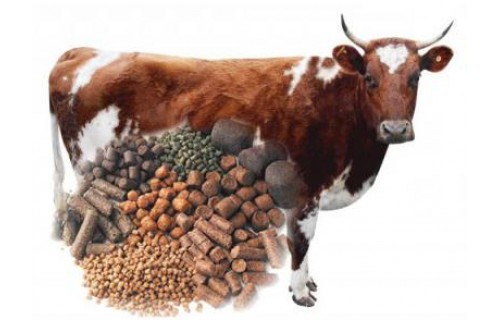
About the benefits of pelleted feed. Shape, composition, storage
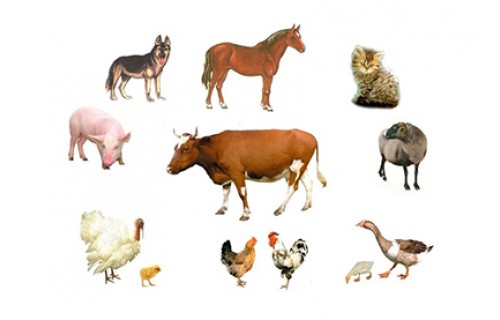
What is the difference between ordinary feed mixture and pelleted feed? Let us take a look at what a pellet is? In this article we will talk about what benefits farmers can gain from the production of pelleted feed and why it is worth buying a pelletizer
Shape
A pellet is a compressed element in the shape of a cylinder, and each pellet has an identical shape and content.
In contrast, the elements of a feed mixture differ in shape and structure.
Over time, animals learn to select from the feed mixture the ingredients that they like the most due to their specific form and structure, and the rest goes to waste.
In the case of pellets, such a situation does not occur, because each pellet is identical in composition, and animals, whether they want to or not, must eat everything.
Waste
Thanks to this, when feeding with pelleted feed, there is practically no waste.
Composition
As mentioned earlier, each pellet has an identical composition, and animals receive all the nutrients they need. The pellet is quite hard, and animals cannot choose only the feed they prefer. Moreover, the pellet is strongly compressed, which contributes to an increase in pellet density, and thus animals receive more feed.
However, the feed mixture does not have such properties.
Storage
Pellets are stored better than feed mixture, because during pelleting more than 95% of pathogenic fungi are destroyed, and in addition pellets are not afraid of moisture.
Thus, pelleted feeds have a number of advantages compared to loose feeds.
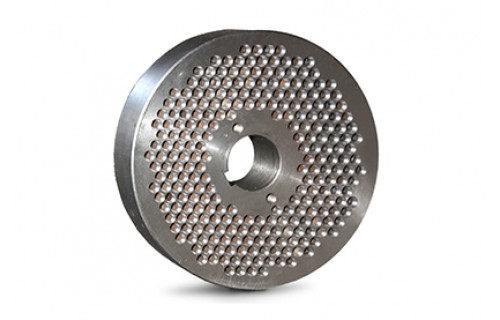
Moreover, feed can be pelleted independently after purchasing a feed pelletizer.
In such a case, we ourselves decide what the ingredients of the pellets will be, and we can add to the pellet composition the vitamins and supplements necessary for animals.
It is possible to pellet not only feed mixture, but also crops grown by us (ground grains, alfalfa, etc.) and various by-products (oil cake, waste from millet processing, chaff, etc.).
In this way, we have discussed the advantages of pelleted feed, but it is up to you to choose the method of feeding your animals.