Wszystko, co musisz wiedzieć o peleciarkach - działanie i użytkowanie

Pellet to materiał opałowy, który w ostatnich latach wybił się na pozycję lidera wśród ekologicznych opałów. Jego rosnąca popularność spowodowana jest czynnikami zarówno ekonomicznymi jak i ekologicznymi. W porównaniu z paliwami kopalnymi, takimi jak węgiel kamienny czy gaz opałowy, pellet to bardziej zbilansowany materiał opałowy o niskiej szkodliwości dla środowiska naturalnego, zarówno na poziomie produkcji jak i spalania.
W dobie ciągłych zawirowań na rynkach paliw kopalnych, prosty w produkcji i łatwy w transporcie pellet może okazać się także gwarantem energetycznej stabilności, zwłaszcza dla gospodarstw produkujących własne biopaliwo. Prostota procesu produkcyjnego pelletu to także jedna z jego niezaprzeczalnych zalet.
Narzędziem niezbędnym do wytwarzania pelletu jest bowiem tylko jedna prosta maszyna, za sprawą której drewniane zrębki, wióry, trociny i inne odpady pochodzenia naturalnego zamienić można w energetyczne granulki.
Jest to pelleciarka (lub jak kto woli - peleciarka). Przyjrzyjmy się jej bliżej.
Co to jest pelleciarka? - Podstawy
Pelleciarki to maszyny przeznaczone do tłoczenia z biomasy w granulek pelletu. Urządzenia te występują w różnych rozmiarach oraz konfiguracjach i mogą różnić się od siebie tempem pracy, poziomem automatyzacji lub sposobem zasilania. Ich działanie opiera się jednak zawsze na tej samej zasadzie - do urządzenia wprowadza się biomasę, a ta w procesie pelletowania zostaje poddana zmieleniu, działaniu temperatury i ciśnienia a następnie wytłoczeniu.
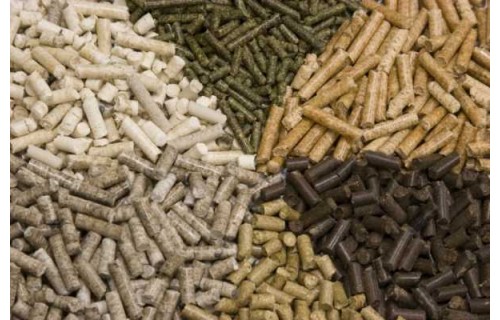
W rezultacie otrzymujemy cylindryczne granulki sprasowanej biomasy o dużej gęstości i niskiej wilgotności - czyli pellet.
Jak działa pelleciarka? Budowa peleciarki
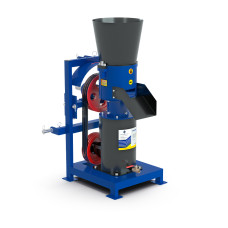
Pelleciarka zawiera kilka kluczowych mechanizmów umożliwiających wydajną obróbkę biomasy:
Silnik napędowy
Dostarcza energię do działania całej maszyny, napędzając inne elementy.
Najpopularniejszym typem są peleciarki zasilane elektrycznie. Można też kupić spalinowe modele - napędzane silnikiem benzynowym lub diesla.
Rozdrabniacz
W rozdrabniaczu znajdują się ostrza lub młyny, które obracają się z dużą prędkością.
Te elementy rozbijają surowiec na mniejsze kawałki, tnąc go na odpowiednią wielkość.
W ten sposób wprowadzony do wnętrza urządzenia materiał zostaje w pierwszej kolejności dokładnie zmielony. Niektóre modele peleciarek wyposażone są dodatkowo w system kontroli wielkości drobinek w formie sita lub dziurkowanej blaszki. Tego typu zabezpieczenie wyłapuje zbyt duże cząsteczki biomasy, które mogłyby obniżyć jakość pelletu.
Dzięki początkowej, mechanicznej obróbce surowca możliwe są dalsze procesy.
UWAGA: peleciarka nie pełni funkcji rębka, a wprowadzana do maszyny biomasa powinna być wstępnie rozdrobniona. Frakcja sypka surowca nie powinna być większa niż otwory matrycy.
Rolki lub walce
Obrotowy mechanizm rolek, zwanych czasem walcami, powoduje przesuwanie się biomasy we wnętrzu peleciarki. Wprawione w ruch obrotowy rolki przesuwają się po matrycy wciskając trociny w otwory i nadając im tym samym charakterystyczną formę granulatu. Tarcie wałków peleciarki generuje wysoką temperaturę (nawet 135 stopni Celsjusza), która zwiększa plastyczność obrabianej biomasy. Siła docisku walców odpowiada też za „ściśnięcie” rozgrzanej biomasy, co przekłada się na wysoką gęstość gotowego pelletu.
Matryca peleciarki
Matryca to płaska metalowa blaszka z okrągłymi otworami o średnicy kilku milimetrów (najczęściej jest to między 6 a 10 mm).
Jej grubość zależy od rodzaju obrabianego surowca.
Ogólna zasada doboru odpowiedniej matrycy mówi, że im twardszy materiał podany do peleciarki tym mniejsza powinna być grubość matrycy.
Dla wiórów sosnowych jest to np. 33 mm.
Jest to element, który nadaje finalny kształt i rozmiar granulkom.
Mechanizm walcowy przeciska rozgrzaną biomasę o odpowiedniej konsystencji przez perforację matrycy. W ten sposób formują się drobinki pelletu.
WAŻNE: dzięki zawartej w drewnie ligninie (naturalnej substancji o klejących właściwościach) niepotrzebne jest stosowanie zewnętrznego lepiszcza w procesie granulowania biomasy.
Dzięki temu w gotowym pellecie nie ma domieszki zewnętrznej chemii.
Podajnik
Gotowy pellet wypada z urządzenia przez podajnik, najczęściej w formie metalowej rynienki.
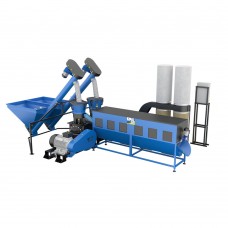
Po wytłoczeniu, granulat kumuluje się w podstawionym pod rynienkę pojemniku, gdzie musi się schłodzić do temperatury pokojowej. Do tego celu używa się czasem specjalnych chłodnic wyposażonych w wiatraki. Do transportu gotowego pelletu wykorzystać można podajnik ślimakowy, który ułatwia taśmową produkcję opału.
Wystudzony granulat jest gotowy do użytku.
Czy obsługa peleciarki jest trudna?
Konkurencyjność pelletu tkwi między innymi w prostocie jego produkcji. Po początkowym skalibrowaniu urządzenia do produkcji pelletu jego użytkowanie jest proste i nie wymaga stałej obecności fachowca. Pracę pelleciarki można też w łatwy sposób zautomatyzować korzystając z systemów podajników ślimakowych wprowadzających biomasę i odprowadzających gotowy pellet w wyznaczone miejsce składowania.
Mnogość modeli w różnych rozmiarach i o różnej przepustowości sprawia, że pelleciarka może służyć zarówno do lokalnego wytwarzania opału na własny użytek jak i zautomatyzowanej, komercyjnej produkcji na dużą skalę.
Pelleciarki, jak wszystkie urządzenia mechaniczne, wymagają okresowej konserwacji, takiej jak oliwienie mechanizmów i usuwanie zanieczyszczeń z wnętrza maszyny. Nie są to jednak skomplikowane operacje i poziomem zaawansowanie nie przekraczają konserwacji kosiarki spalinowej czy rozdrabniarki do siana.
Peleciarka - wydajność
Wydajność peleciarki zależy od rozmiarów i mocy poszczególnego modelu. Małe, mobilne pelleciarki jak np. pelletnik 150 notują wydajność w przedziale 50-100 kilogramów granulatu na godzinę. Duże linie do produkcji pelletu mogą wytwarzać około tonę pelletu na godzinę.
W przypadku największych, przemysłowych peleciarek wydajność może wynieść nawet dziesięć ton na godzinę.
Peleciarka - dla kogo?
Peleciarka to uniwersalne urządzenie, które znajdzie zastosowanie zarówno w wyspecjalizowanych zakładach obróbki drewna jak i gospodarstwach rolnych czy mniejszych warsztatach. By z powodzeniem produkować pellet należy spełniać jeden warunek - stały dostęp do biomasy. Gospodarstwa rolne generujące dużo bioodpadów czy zakłady tartaczne wytwarzające spore ilości drewnianej drobnicy z powodzeniem mogą uzyskać energetyczną niezależność dzięki peleciarce. Zamiana odpadów w paliwo to ekologiczne i opłacalne rozwiązanie.
Warto jednak upewnić się, czy dysponujemy rodzajem biomasy, który nadaje się do produkcji akurat pelletów. W innym wypadku można zdecydować się na mniej wymagający brykiet.
Więcej na ten temat znajdziesz tutaj: Brykieciarka vs Peleciarka
Co można peletować?
Najlepszą bazą do obróbki za pomocą pelleciarki są:
Drewno, wióry drewniane, miał drzewny, zrębki, kora, chrust, siano, słoma, łuski nasion, liście, odpady słonecznika.
Dlaczego warto korzystać z peleciarki?
Korzystanie z peleciarki gwarantuje wysoki stopień energetycznej niezależności. Własne paliwo pozwala użytkownikom uodpornić się na wahania cen na rynkach czy długie i niepewne łańcuchy dostaw. Wytwarzając własne paliwo zyskujemy też kontrolę nad całym procesem produkcji i mamy pewność w kwestii jakości opału. To może okazać się istotne dla zachowania dobrego stanu swojej instalacji grzewczej.
Produkcja pelletu to także alternatywna forma gospodarowania odpadami. Wiele z materiałów stanowiących bazę do produkcji biopaliw i tak musi zostać w ten czy inny sposób zutylizowanych, dlatego wykorzystanie ich energetycznego potencjału w procesie pelletowania zapobiega marnowaniu surowców.
W dłuższej perspektywie czasu jednorazowy wydatek może okazać się opłacalną inwestycją. Peleciarka po prostu się opłaca.