Is heating pellet ecological?
When care for the environment becomes a priority, the search for ecological alternatives in every area of life gains enormous importance. One of the most important topics in the context of heating homes is the question: is heating pellet ecological? Today we will analyze why more and more people consider pellet a sustainable fuel. We will also explain why this solution outperforms other traditional options, such as heating oil. We encourage you to read on!
Is heating pellet ecological?
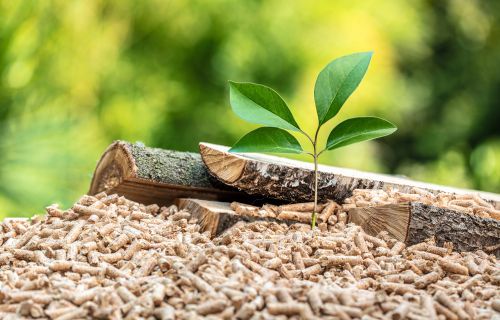
Many people ask themselves: is pellet ecological? Absolutely. Ecological heating pellet constitutes a revolution in the field of heat sources. It is produced mainly from pressed biomass, such as wood, straw or sawdust. It is worth emphasizing that pellet is nothing more than compact granules with a diameter of 6-8 mm. The pellet production process is not only simple, but also environmentally friendly, because no additional chemical substances or binders are used during it. All this makes its popularity grow at a rapid pace.
Every household that generates waste such as straw, wood chips, branches, and even peelings or seed husks can easily produce its own pellet! It is a great way for cheap and ecological heating. All you need is a pellet mill / granulator - that is a machine used for pellet production.
Heating oil or pellet – which is better to choose?
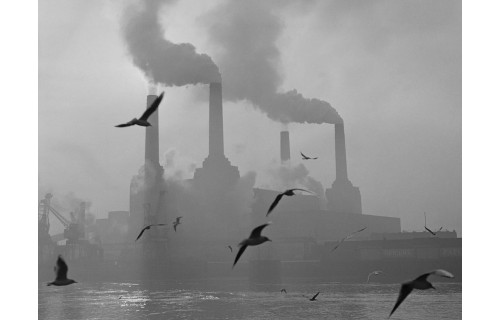
If you are asking yourself: heating oil or pellet, you must know that making a choice should not be difficult, because in recent years pellet has been a real breakthrough. The answer to the question whether pellet is ecological seems unequivocal. Unlike heating oil and fossil fuels, heating pellet is produced from forest biomass, which significantly reduces carbon dioxide emissions and environmental impact. It is an alternative to eco-pea coal and has become a key argument for those who are looking for more ecological heating options.
Heating pellet is not only a good fuel, but also a way to minimize the amount of waste. Compared to the process of producing eco-pea coal, pellet production generates a much smaller amount of waste, which translates into a very favorable ecological balance. What kind of fuel is pellet? This question concerns many people interested in ecological heating. The answer lies in the production process itself and the raw materials. The wood used for pellet production comes exclusively from sustainable sources, which increases the ecological nature of this fuel. It is also worth emphasizing that during pellet combustion, CO2 emissions are neutral, because the plants from which it originated absorbed this substance during growth.
How to choose the right ecological fuel?
Considering the calorific value of pellet and eco-pea coal, it is worth noting that pellet achieves a high energy value, which translates into extremely efficient and economical heating. At the same time, the ecological aspect of pellet makes it a fuel that not only meets, but often exceeds expectations compared to traditional fuels such as eco-pea coal. Switching to heating pellet is a clear benefit for the household budget, as well as for the entire planet. The ecological balance of pellet is much more favorable than in the case of fossil fuels, which is an argument in favor of a well-considered change of heat source. Greenhouse gas emissions, the amount of waste produced or the consumption of natural resources are just some of the aspects in which pellet performs better than the competition. So if you are wondering whether pellet is ecological, you must know that it is a very attractive solution for people who care about the well-being of nature and our ecosystem.
What is heating pellet? The most important information
The question, what is pellet made of, is an important aspect of the ecological nature of this fuel. Wood waste (sawdust, wood chips), straw or technical grains used for pellet production are natural raw materials, often coming from renewable sources. This sustainable production makes heating pellet deserve the name of a very ecological fuel. The main argument supporting the claim that heating pellet is the best ecological fuel is its overall impact on the environment. Significantly lower emissions of harmful substances, neutral CO2 emissions during combustion and sustainable sources of raw materials make pellet a choice that translates into cost-effective and conscious heating. Heating pellet is an absolutely top ecological fuel, whose importance is growing at a dizzying pace. It is characterized by high calorific value. This high calorific value of wood pellet means lower heating bills and higher comfort of operating central heating boilers and stoves. Another advantage of this fuel is the low energy balance of pellet production. It should also not be forgotten that pellet has a higher bulk density than, for example, wood logs, which makes its transport and storage easier.