Drying raw material is one of the basic stages of many processing operations related to biomass processing. Sawdust, wood chips, shavings, stalks, and various types of agricultural waste require proper preparation, including reducing moisture content, so that they can be used effectively. A properly selected dryer, adapted to the specific nature of the raw material and technological requirements, plays a key role in this process. Let us take a closer look at this device and check in which areas it is used.
A brief reminder - how does it work?
The name aerodynamic dryers, because this is the subgroup that interests us most today, results from the way gas movement is used in them, most often hot air.
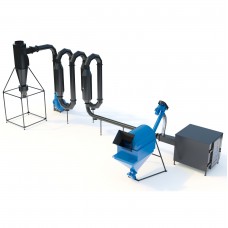
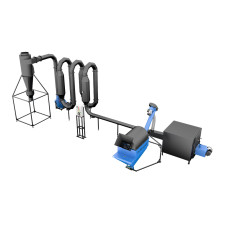
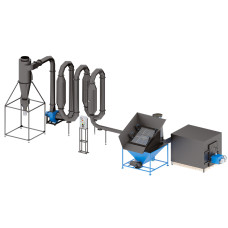
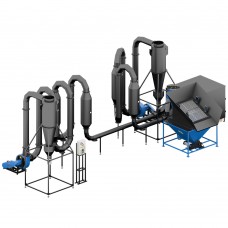
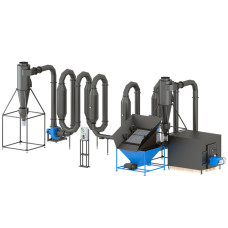
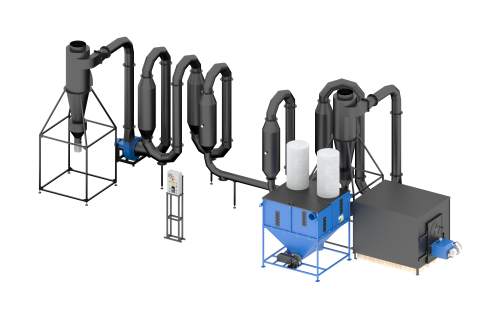
In this type of equipment, moist, fragmented biomass is quite spectacularly “swept away” by a rapidly flowing stream of hot gas and carried inside the drying system. It resembles a controlled tornado enclosed inside a sealed installation. Thanks to the intensive movement of the particles and their direct contact with the hot medium, heat is quickly transferred to the raw material, and moisture evaporates and is removed together with the gas. The term „aerodynamic” therefore refers to the use of gas flow properties to transport and dry biomass particles.
It is worth remembering, however, that the exact operating principle depends on the design of a specific dryer — not every device using hot air is an aerodynamic dryer.
Drying sawdust – a basic stage of pellet production
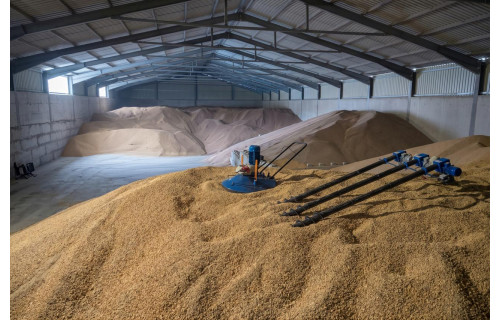
Sawdust is one of the most popular raw materials used for the production of wood pellets. It is generated during cutting, milling, and other wood processing operations. Depending on the type of wood and storage conditions, it may be characterized by different moisture levels.
Material that is too moist may make it difficult to carry out the pelletizing process correctly. Therefore, before feeding sawdust into a pellet mill it is often necessary to reduce the water content to a level suitable for a specific installation.
Aerodynamic dryer for sawdust uses the flow of hot air to accelerate moisture removal from fragmented raw material. A properly configured process makes it possible to prepare the material for the next stages of production, while at the same time reducing the waiting time for its natural drying.
Such a solution may be useful both in plants producing pellets on a larger scale and in smaller enterprises that want to expand their activity to include biomass processing.
Wood chips and wood processing waste
Another group of materials consists of wood chips and other waste generated in carpentry shops, sawmills, and enterprises involved in wood processing. Their use makes it possible to increase the value of by-products and reduce the amount of materials that would not otherwise be utilized.
Wood chips differ from sawdust in the size and shape of particles, so before drying, the technical requirements of the installation should be checked. The initial moisture content of the material and its preparation for transport through the drying system are also important.
A dryer for wood waste can be an element of the process of preparing biomass for the production of solid fuels. Dried material, after proper preparation, can be used for the production of pellets or briquettes, provided it meets the requirements of the further technological process.
In this way, wood processing waste can become a valuable raw material, and the enterprise gains additional possibilities for its use.
Straw, sunflower husks, and other plant materials
Aerodynamic dryers can also be used to dry selected agricultural raw materials, such as straw, sunflower husks, and other materials of plant origin, which can be subjected to briquetting or pelletizing.
These raw materials differ in structure, density, particle size, and susceptibility to drying.
For this reason, not every material will be suitable for every device. Before purchase, it should be checked whether a given model is adapted to a specific type of biomass.
A properly selected drying system helps prepare the material for further processing and facilitates work organization in plants engaged in the production of fuels from plant raw materials.
In the case of unusual materials, it is worth consulting the choice of device with the supplier, taking into account the required final parameters and the planned capacity.
Biomass dryer as an element of a pellet production line
Enterprises engaged in pellet production may consider both the purchase of the dryer itself and combining it with the other devices of the technological line. An integrated system makes it possible to plan the subsequent stages of raw material preparation, from drying to pelletizing.
When selecting machines, the type of biomass used, expected capacity, and the requirements of individual devices should be taken into account. Thanks to this, the risk of parameter mismatch can be reduced and material flow in the plant can be organized better.
TechnoMaszBud offers raw material processing equipment that can be selected depending on the needs of the enterprise. An aerodynamic dryer can be a standalone solution or an element of a larger set of machines for the production of pellets and other materials.
How to choose the right aerodynamic dryer?
Before making a decision, it is worth answering a few basic questions:
- What material will be dried – sawdust, wood chips, or agricultural biomass?
- What is the initial moisture content of the raw material?
- How much material needs to be prepared per hour or per day?
- What parameters should the raw material have after drying is completed?
- Will the device operate independently or as part of a production line?
- What heat source and what installation conditions are available at the plant?
In summary
Well-dried biomass is the basis for really numerous processing and production processes. Briquettes, pellets, granulates, grits, and many, many other products begin their existence inside the dryer. An aerodynamic dryer is undoubtedly a “must have” of a developing bio-business.