Not All Pellets Are Equal – A Guide to Eco Fuel

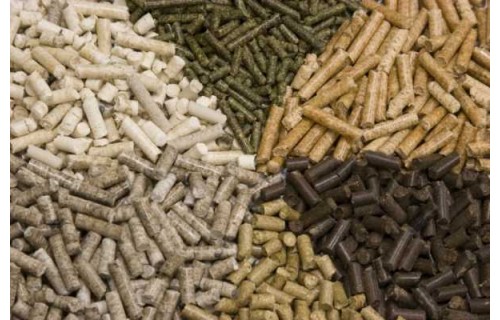
When searching for the best energy solutions for our household, we often compare different types of fuel. We compare fuels by analyzing their prices, efficiency, and environmental impact. In recent years, consumers have increasingly chosen pellet. However, it is worth remembering that several types of this increasingly popular fuel are available on the market. Which pellet is the best? They differ in calorific value and other parameters. Let’s take a closer look at them. Many types of biomass are suitable for pelletizing – e.g.: wood, branches, wood chips, sawdust, wood dust, shavings, hay, straw, seed husks, sunflower waste, leaves, grain waste and others. We will discuss the most popular ones for you.
1. Wood pellet
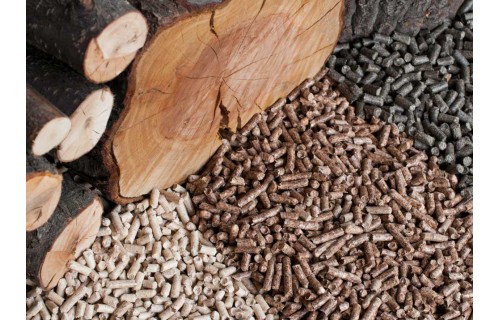
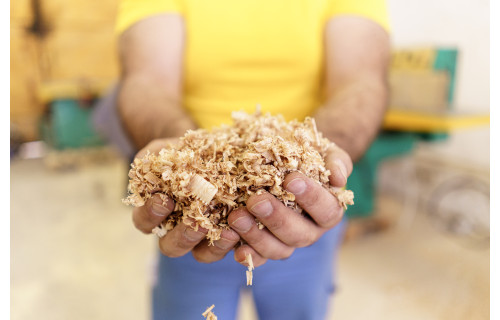
The most common type of pellet, produced mainly from sawdust and wood shavings. It is characterized by high calorific value, low moisture content, and low carbon dioxide emissions. Wood pellets are available in different quality classes, of which the highest (ENplus A1) meets strict standards regarding cleanliness and combustion efficiency.
In the case of wood pellets, we distinguish softwood pellet – slightly more energetic, but generating larger amounts of smoke and ash, and hardwood pellet – usually less energetic, but burning longer and “cleaner”.
2. Biomass pellet
This pellet is produced from various plant raw materials, such as straw, hay, or agricultural waste. Because it uses materials that are no longer suitable for other uses, it is an environmentally friendly solution. Its calorific properties may be lower than those of wood pellets, but it is an attractive alternative in places where large amounts of agricultural waste are generated.
3. Waste pellet
This type of pellet is made from industrial waste, such as leftovers from furniture production or offcuts from wood processing. Using waste for pellet production helps reduce the amount of garbage and enables efficient use of resources. Its calorific properties depend on the type of raw materials used.
4. Composite pellet
Composite pellet combines different materials, e.g., wood and biomass. The proportions of the raw materials used depend on preferences and availability. This type of pellet can be adapted to specific user needs as well as to the requirements of heating furnaces.
What to pay attention to?
No external binder (i.e., adhesive) is used in pellet production. The pelletizing process involves grinding the initial material and then forming granules through high temperature and pressure. As a result, this fuel does not generate toxic fumes caused by the combustion of artificial substances.
Therefore, it is worth ensuring that the raw material used for pellet production is of natural origin. If it is wood – it should preferably be uncoated and unlacquered wood. All kinds of glued wood-based waste such as OSB or HDF boards are not suitable for processing into quality granulate, as they contain large amounts of artificial binders.
You can learn more about the secrets of pellet production in this article.
The solution may be independent pellet production
High-quality pellets from a manufacturer are a cost-effective and efficient fuel. However, to have a one hundred percent guarantee of quality, the best solution is to produce the fuel material yourself, especially if our household generates large amounts of natural waste.
For this, we will need a high-quality pellet mill, optionally extended with a screw feeder.
Producing your own pellets brings many benefits, both economic and ecological. First, it allows for significant cost reduction, as it is possible to use your own resources intended for disposal. Second, producing pellets from local raw materials reduces CO2 emissions related to fuel transport. Moreover, by controlling the production process, you can adjust the quality and type of produced pellets to individual needs and preferences. Finally, independent pellet production contributes to sustainable management of natural resources, which has a positive impact on the environment.
If you want to learn even more about how to get started or how to improve your own pellet production, our specialists will be happy to help you and answer all your questions. You can contact us here: contact.